Share


Christoph Spörri explores how Geographic Information Systems (GIS) can help power utilities tackle the contemporary challenges of digital transformation, regulatory compliance, and cybercrime
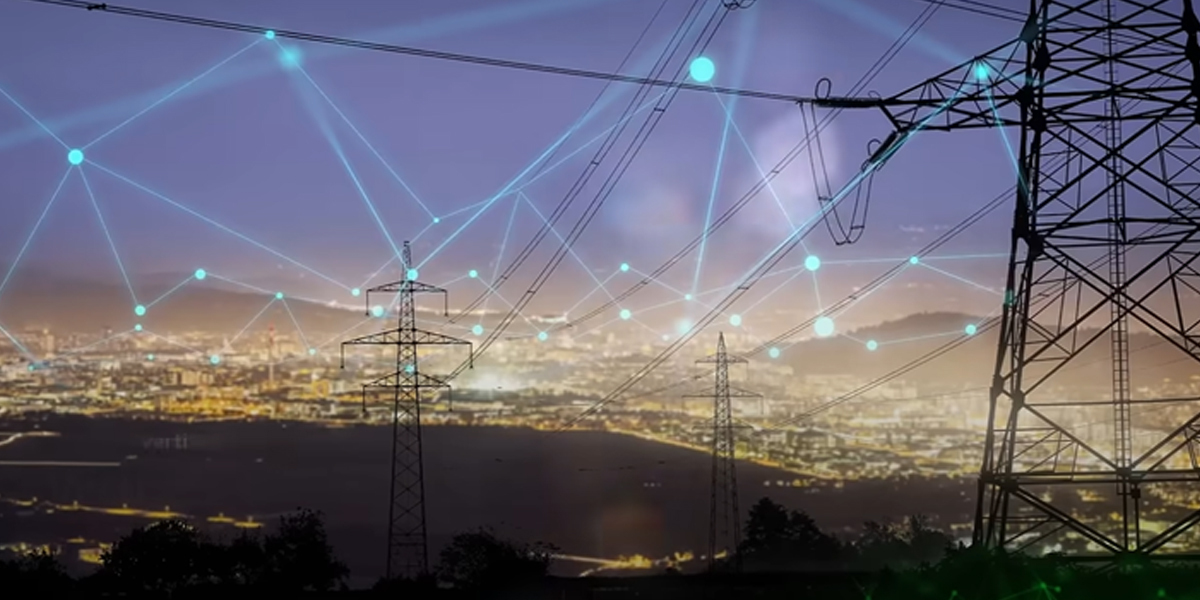
The rapid acceleration of technological progress is making it increasingly difficult for power utilities to navigate increasingly complex challenges. Specifically, the need to manage and update sprawling energy infrastructure is particularly difficult as it is usually located in hard-to-reach places, such as underground. Such utilities are vital to the day-to-day functioning of businesses and citizens, meaning they cannot easily be fixed or replaced without causing considerable disruption.
In addition to energy providers tackling regular maintenance to keep their services running, they must also contend with emerging cyber threats. Concurrently, the energy sector in Europe is subject to developing national and European Union (EU) regulations and navigating compliance with these disparate and sometimes contradictory requirements is an overly complex task.
Power utility companies must be equipped with the correct tools to take on the challenge of grid modernisation, energy transition and protecting it from emerging cyber threats, all while ensuring the infrastructure meets regulatory compliance. Using Graphical Information Systems (GIS) is indispensable in solving many issues facing energy utility providers.

Balancing digital transformation and robust cybersecurity
To ensure that power utilities are meeting the evolving needs of their customers, they must incorporate modern technology into their infrastructure where necessary. Smart grids, IoT and automation are often used as drivers of modernisation, which allows utilities to provide the best service possible. However, reliance on digital technologies opens utilities up to the threat of cyber-attacks.
Over the past few years, power utilities have become increasingly targeted by threat actors, driven chiefly by the current geopolitical climate as well as the profitability of ransomware. Securing critical infrastructure and protecting customer data are vital priorities for utilities. However, the rapid pace of digital transformation presents an ongoing challenge when maintaining robust cybersecurity frameworks. Utility providers must strike a delicate balance between modernisation and security concerns, especially as the energy sector historically uses a high proportion of legacy infrastructure and technology.
GIS can help energy utilities tackle the challenge of cyber threats in several ways. Firstly, GIS can be used to monitor and secure the physical infrastructure of the energy grid. This ensures that access points are properly monitored, enhancing security protocols by enabling quicker identification of threats and breaches.
Secondly, GIS allows for full visibility of the network, allowing for access points in a decentralised power grid to be monitored. This enables users to identify where cyber-attackers could gain physical access to a network.
Thirdly, GIS helps utilities to visualise the interplay between cyber systems, like control centres, and physical infrastructure like power lines and substations. This enhances situational awareness for utilities, particularly in monitoring the impacts of cyber incidents or power outages.
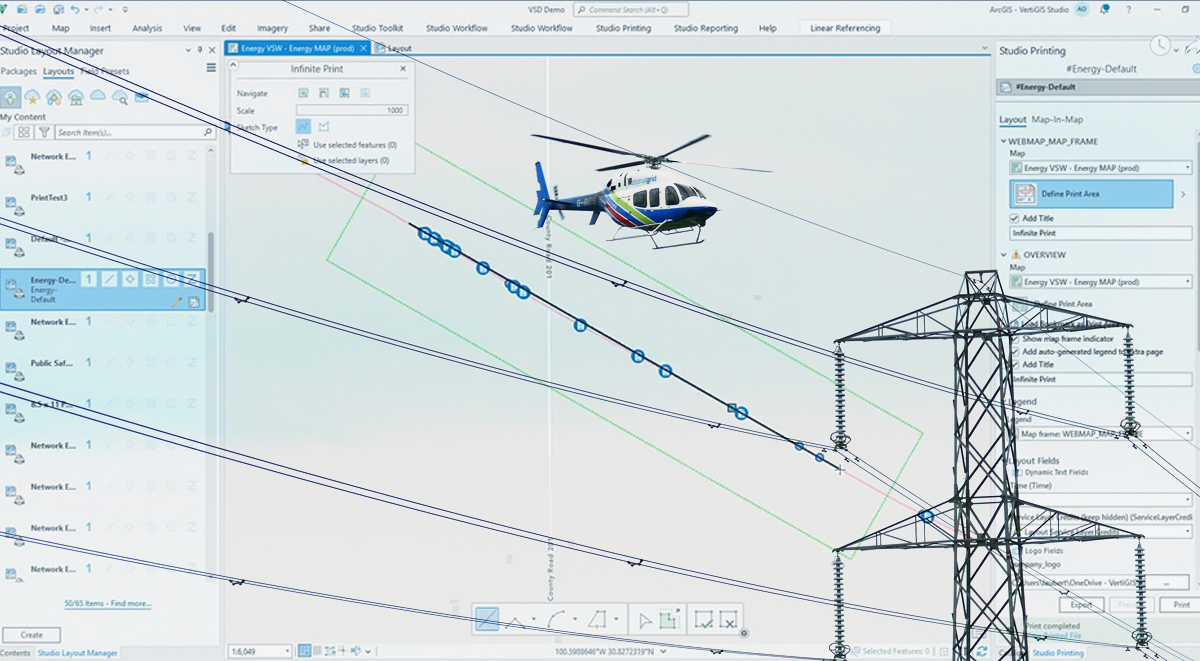
A key advantage of GIS is its ability to seamlessly integrate with a wide range of data sources, such as Supervisory Control and Data Acquisition (SCADA) systems and IoT sensors, as well as location and weather data. This interconnected approach reduces the risks associated with cyber threats through much greater visibility of the entire grid, as well as access to many different forms of data allowing for much more accurate decision-making.
Regulatory pressure and policy alignment
The energy sector in Europe is constantly faced with the challenge of being compliant with regulations whilst integrating new technologies. This challenge is two-pronged for power companies, as they are required to comply with both national and EU policies that aim to support the transition to a more sustainable infrastructure, such as renewables.
Power utilities must contend with a complex and often fragmented regulatory environment, especially in the wake of the European Green Deal and other climate goals. Adapting to new regulations, such as emissions trading schemes, renewable energy targets, and carbon pricing, can impose additional costs and operational challenges on energy providers.
Leveraging GIS can be essential for helping power utilities comply with environmental and regulatory policies. Green energy policies often require companies to know exactly what their emissions look like, along with tracking emissions geographically. GIS helps companies map their emissions sources and renewable energy installations, allowing them to track and report on compliance more accurately.

GIS can also assist in identifying areas with high energy consumption or potential for energy savings, enabling them to target energy efficiency programs more effectively. The geographic component of this data supports utilities operating in multiple regions with different regulations that can effectively meet these targets set by regulators.
GIS enables utilities to model an entire network with a ‘digital twin;’ a digital representation of the entire system, including all associated assets. This allows utilities to simulate any policy changes to the network without causing disruption. When new regulation, such as renewable energy mandates or new carbon pricing, comes into force, utilities can make data-driven decisions and align their strategies with national or EU-level regulatory goals.
Overcoming future challenges
In the next couple of years, power utilities will likely face several significant challenges that are more complex than ever before. The need to modernise ageing infrastructure and be compliant with strict regulations, while also providing a service to customers and driving revenue is a difficult balancing act.
Utilising GIS technology to collect, analyse, and visualise spatial data can help alleviate some of this pressure to optimise operations and decision-making while achieving security, regulatory, and business goals.
Christoph Spörri is Product Director, Utilities, at VertiGIS, a UK-based supplier of cloud-ready software solutions that help utilities world-wide streamline operations, improve asset data management, and tackle modern network challenges
Subscribe to our newsletter
Stay updated on the latest technology, innovation product arrivals and exciting offers to your inbox.
Newsletter