Share


Donna Lyndsay explores how location data and geo analytics can help organisations in the financial services sector assess and quantify their exposure to climate change

Amid ongoing political debates that frame climate change either as a matter of belief, or a barrier to economic progress, it might appear that global efforts to address climate change stalled in 2025. However, beneath this public discourse, businesses are acutely aware of the physical and financial consequences of climate change, the realities of which are increasingly difficult to ignore.
The impact of climate change on business
Research by Economist Impact in 2024 indicated that more than 99% of surveyed executives recognised climate change had already disrupted their supply chains (1). By 2025, over 62% still considered addressing climate change just as crucial as in the previous year (2).
The financial repercussions are evident: Swiss Re and the World Economic Forum projected that insurance costs related to climate disasters would reach $145 billion in 2025, 7% more than 2024 (3). Insurance, often taken for granted as a safeguard, is under threat; some regions, such as California, have become prohibitively expensive to insure, prompting insurers to withdraw due to escalating risks.

Business adaptation beyond politics
Given these mounting challenges and associated costs, organisations aiming for resilience and profitability beyond 2030 are proactively enhancing their adaptive capabilities, regardless of political developments. This includes a focus on robust risk management strategies and future-proofing operations.
Regulatory developments in the UK and Europe
In the United Kingdom and Europe, banks and financial institutions now have an added incentive to deepen their understanding of physical, transition, and liability risks within their customer bases and portfolios. In December 2025, the Bank of England introduced Supervisory Statement 5/25 – Enhancing banks’ and insurers' approaches to managing climate-related risks (SS5/25) . Central banks, with their long-term perspective and concern for systemic financial stability, have outlined new expectations for managing climate-related risks.
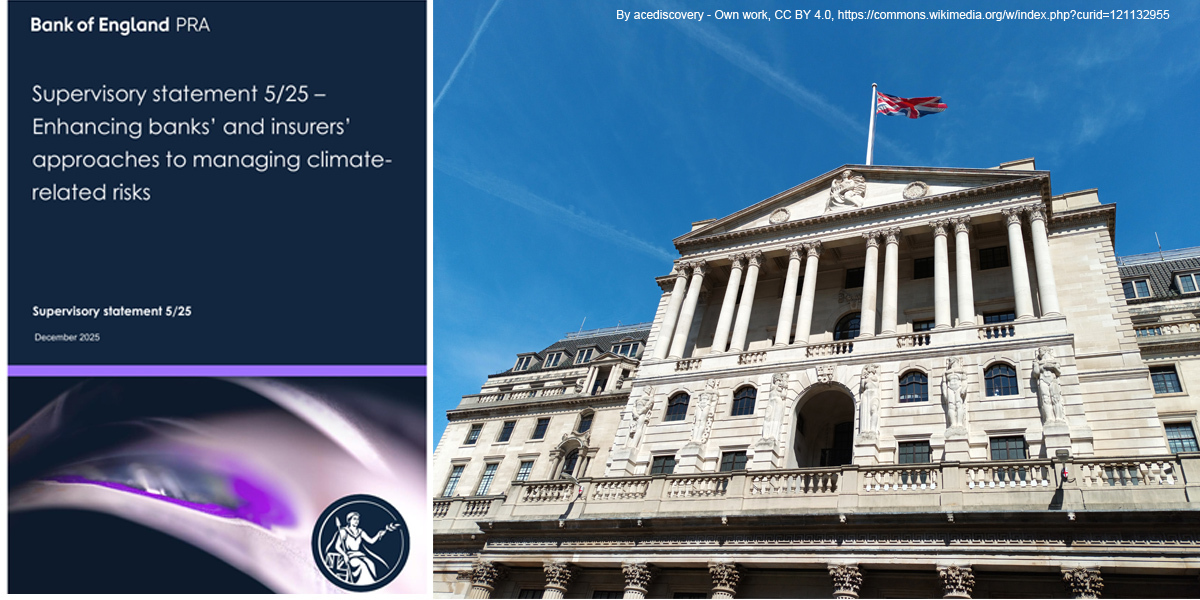
SS5/25 requires firms to develop enhanced capabilities and resilience to manage these risks effectively. It emphasises the use of the best available data for risk assessment, ensuring that climate considerations are integrated into financial decision-making at the board level as a direct financial concern, not merely a sustainability objective.
Board accountability and capital requirements
Under SS5/25, board members are now personally accountable for integrating climate change impacts into core capital and lending decisions. If firms lack sufficient or reliable data, they must hold more capital in reserve to address uncertainty regarding capital at risk.
Companies are required to conduct an internal review of their climate risk management approaches by June 2026. Although Supervisors will not demand evidence until after this period, firms must be prepared to present credible and robust plans.
The challenge of data and location transparency
The question then arises: where will companies find the necessary data?
• Available data is often not standardised, making it difficult to integrate and join datasets for a comprehensive view.
• Establishing a unique key to link disparate data sources remains a significant challenge.
• Linking suppliers and their ownership structures to see where potential risks lie is complex
There is of course the final driver, rigorous, geographically-detailed analysis has not always been prioritised, because they have not been required to examine them in depth. Consequently, many firms lack a clear understanding of their geographic risks.
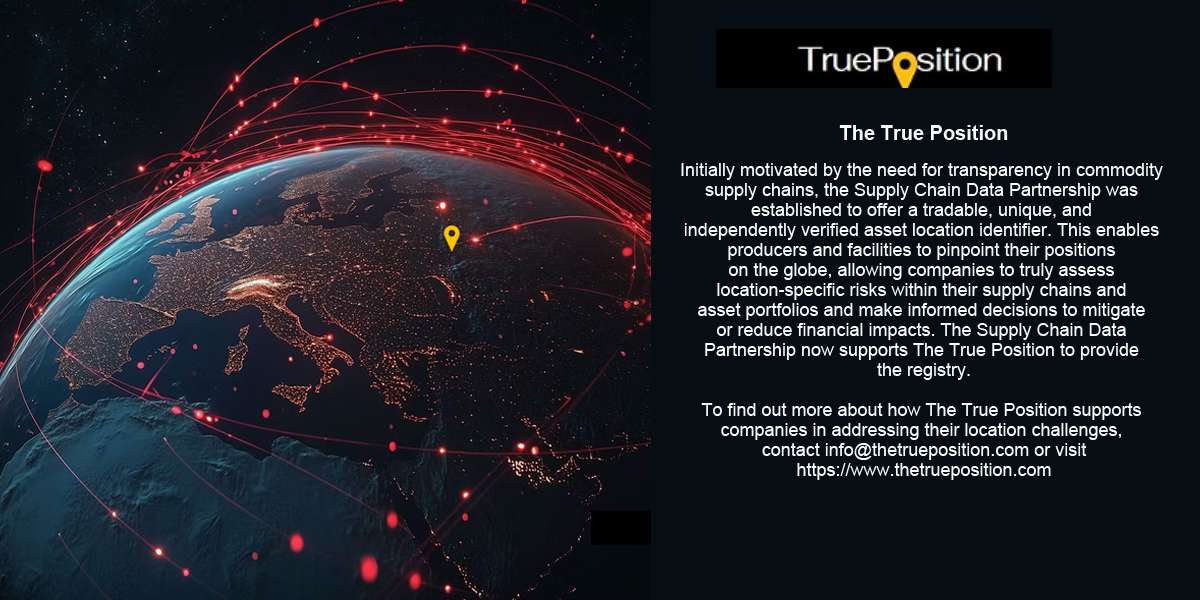
Numerous systems and datasets can support climate assessments, but many services still struggle to identify the geographic locations of their customers' investments accurately. This is the challenge addressed by the collaboration behind The True Position.
Extending location solutions to financial services
In 2025, it became clear that the same location identification challenges were inherent in financial services. Accurate location information is essential for identifying physical, transition, and liability risks that may affect loans, investments, or insurance. The introduction of SS5/25 has only reinforced this requirement.
To provide trust in the system, the True Position process
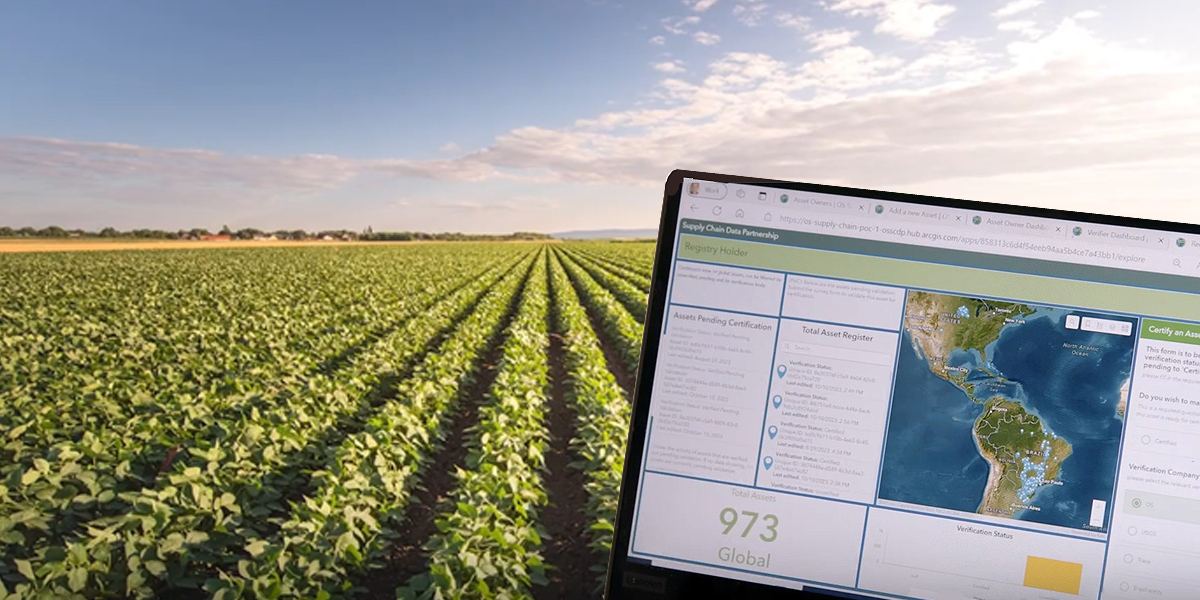
1) leverages foundational data models, agentic AI, and advanced location intelligence expertise to verify that assets exist where they are claimed to be.
2) creates a unique location identifier, allowing asset owners to provide verified evidence to buyers, investors, or to secure grants or loans.
3) securely registers this identifier which can then be used across all climate services offered to financial institutions and insurers.
Supporting risk assessment with data partners
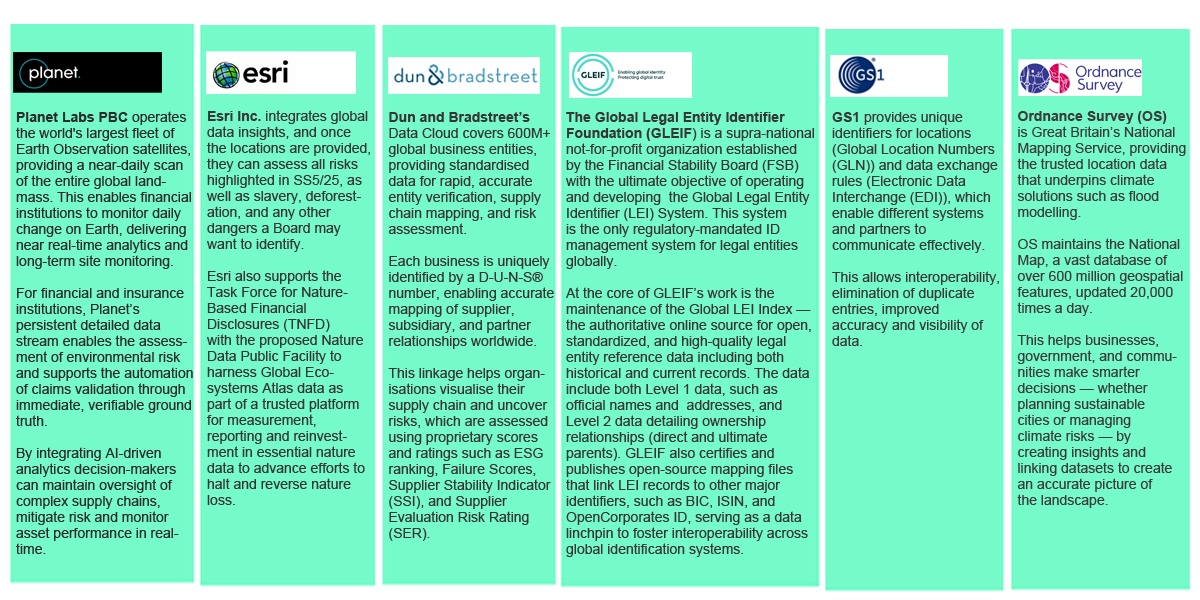
While we use their skills and identifiers, supporters of The True Position (see below) contribute more than verification; they supply data and services that facilitate rapid risk assessment.
Enabling compliance and investment
All the data and capabilities required to meet the SS5/25 supervisory demands are available. The priority now is to enable financial services to access and utilise this information to support their assessments, thereby reducing the capital reserves needed to cover risks. This, in turn, frees up resources to invest in initiatives that benefit people, the planet, and profit.
(1) Climate change's disruptive impact on global supply chains and the urgent call for resilience
(2) Is sustainability in trade stalling?
(3) Costs for climate disasters to reach $145 billion in 2025 | World Economic Forum
Donna Lyndsay is CEO of The True Position, based in Dulverton, UK. More information at https://www.thetrueposition.com or contact [email protected]
Subscribe to our newsletter
Stay updated on the latest technology, innovation product arrivals and exciting offers to your inbox.
Newsletter