Share


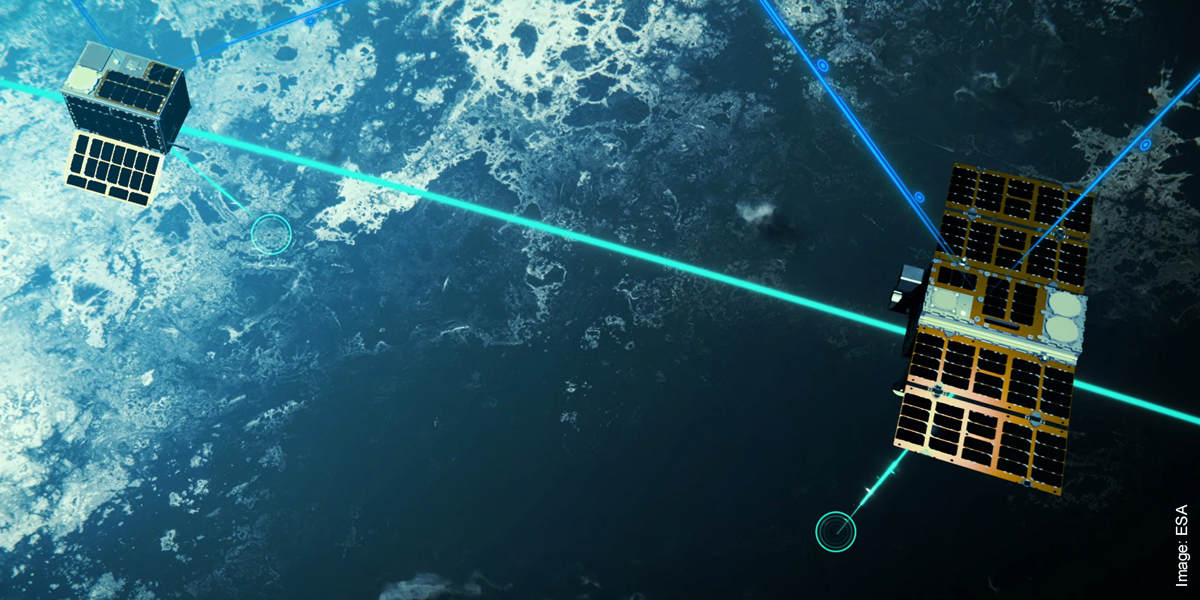
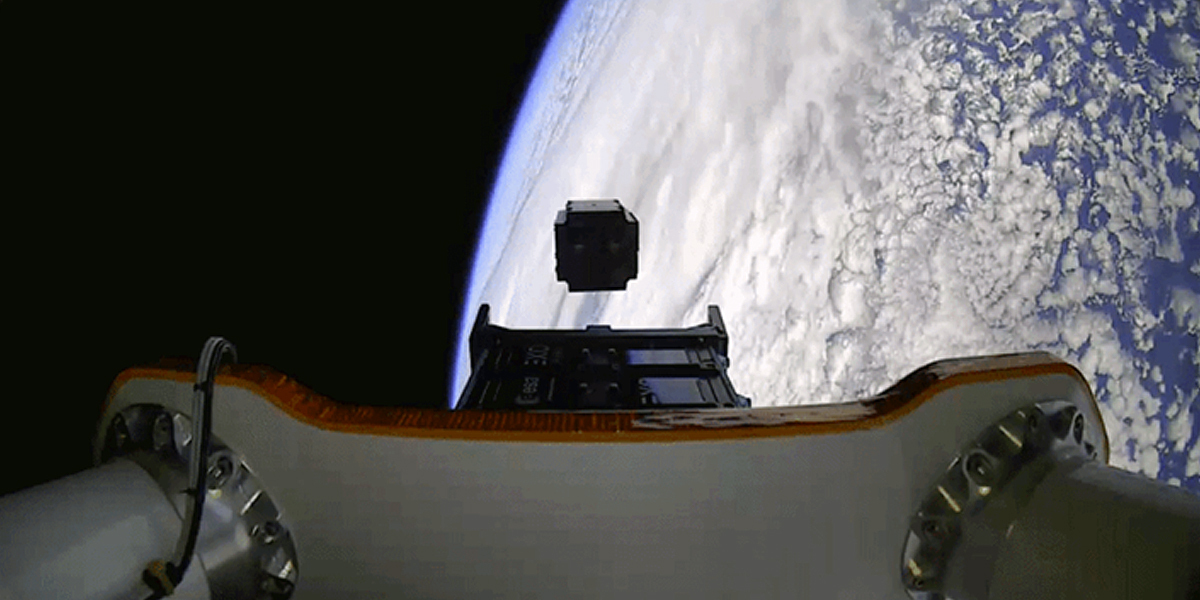
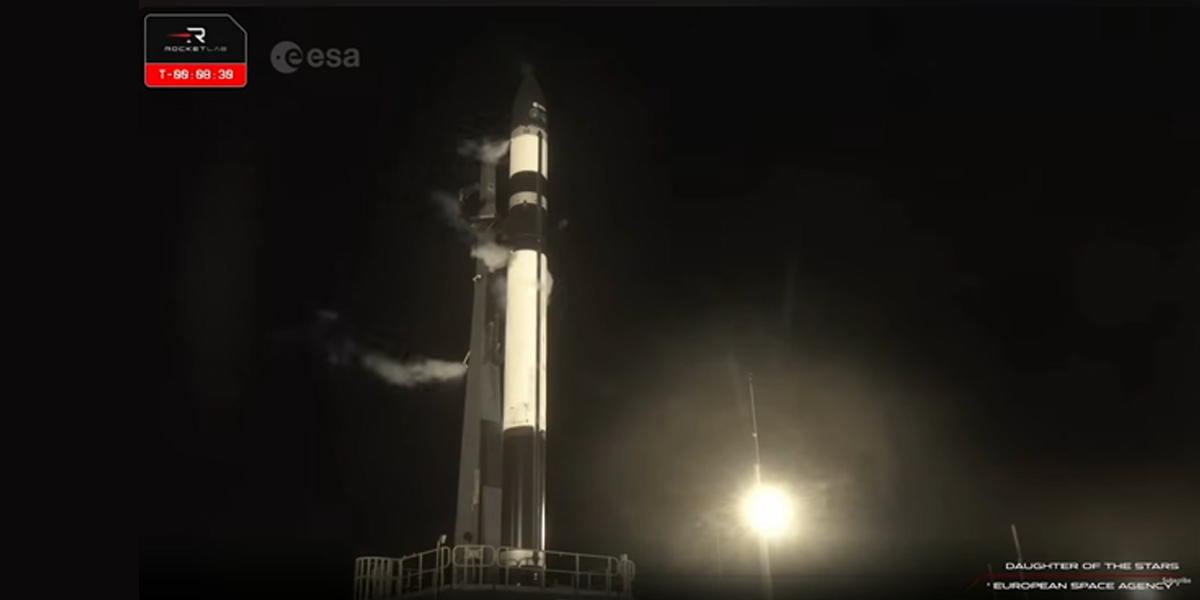
The European Space Agency has achieved a European first with Celeste, successfully transmitting a navigation signal from low Earth orbit, following the launch of the mission's first satellites on March 28.
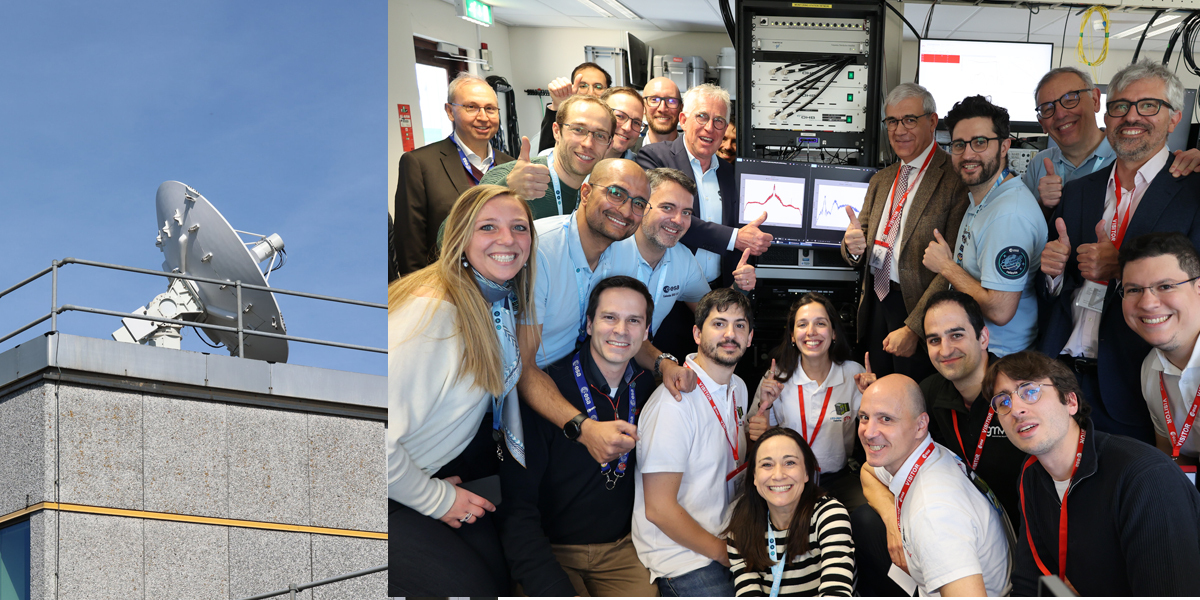
On the morning of Wednesday, April 8, ESA and industrial teams gathered at ESA's Navigation Lab at ESTEC in The Netherlands and received the very first navigation signal from the Celeste mission.
This is a historic first in the world of European PNT. Sent from Celeste IOD-1, the signal is the first dual-frequency navigation message in the L- and S-band, the first sent from a European satellite in low-Earth orbit. A transmission from the Celeste IOD-2 satellite will follow in the coming days.
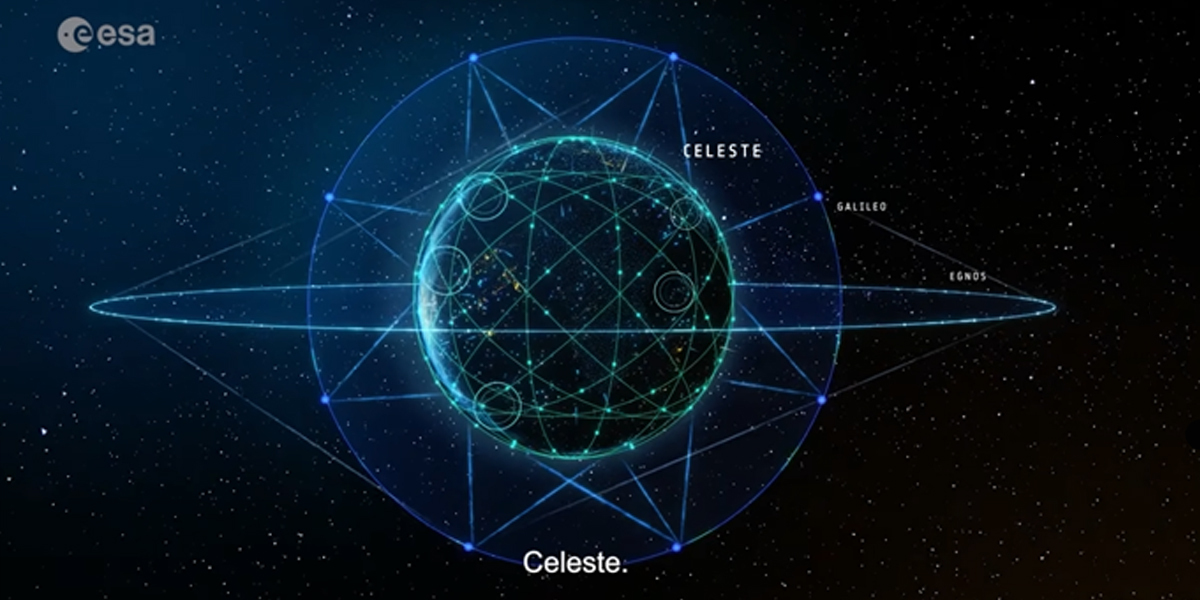
Navigation signals sent from low Earth orbit benefit from more strength, new dynamics and additional ranging geometry. This makes them valuable to complement existing medium Earth orbit systems and improve overall resilience, robustness, availability, and timeliness, especially in demanding environments like deep urban areas.
"Seeing Celeste achieve its first milestone, only days after launch, is a moment we will look on in the years to come. This is a first step in a mission aiming to demonstrate how a satellite navigation constellation in low Earth orbit can further address current and future user needs, complementing Europe's current Galileo system in medium Earth orbit," explains Roberto Prieto-Cerdeira, ESA's Celeste program manager.
This first achievement comes as part of the satellites' commissioning and in-orbit testing phase. Early April, days after their launch on March 28, the satellites completed their launch and early operations phase and were formally declared fit for life in orbit. The satellites are now undergoing ongoing checks to verify all vital subsystems, from propulsion to attitude and orbit control, are ready.
These signal transmissions are also contributing to bringing into use the required frequency filings in L- and S-bands for future operational European LEO-PNT missions, together with meeting other regulatory and compatibility commitments in accordance with International Telecommunication Union regulations.
Celeste forms a key element of one of the three core pillars of ESA's new European Resilience from Space (ERS) initiative. ERS aims to address critical security and resilience needs for Member States while laying the groundwork for future European strategic space capabilities.
The results of the Celeste mission will pave the way for a European multi-layer PNT, preparing European industry and supporting the European Union's decision for its own operational navigation layer in LEO, complementing Galileo and EGNOS.
About Celeste
The Celeste mission is ESA's initiative for LEO-PNT (Low Earth Orbit Positioning Navigation and Timing) and is currently in its in-orbit demonstration phase. This first phase features a demonstration constellation of 11 satellites that will fly in low Earth orbit to test innovative signals across various frequency bands. Its goal is to advance satellite navigation concepts for resilient positioning, navigation and timing services.
The Celeste In-Orbit Demonstration phase was approved by ESA's Council at Ministerial Level in 2022. The fleet is being developed through two parallel contracts respectively led by GMV (ES) with OHB (DE) as core partner, and by Thales Alenia Space (FR) as prime and Thales Alenia Space (IT) as space segment responsible.
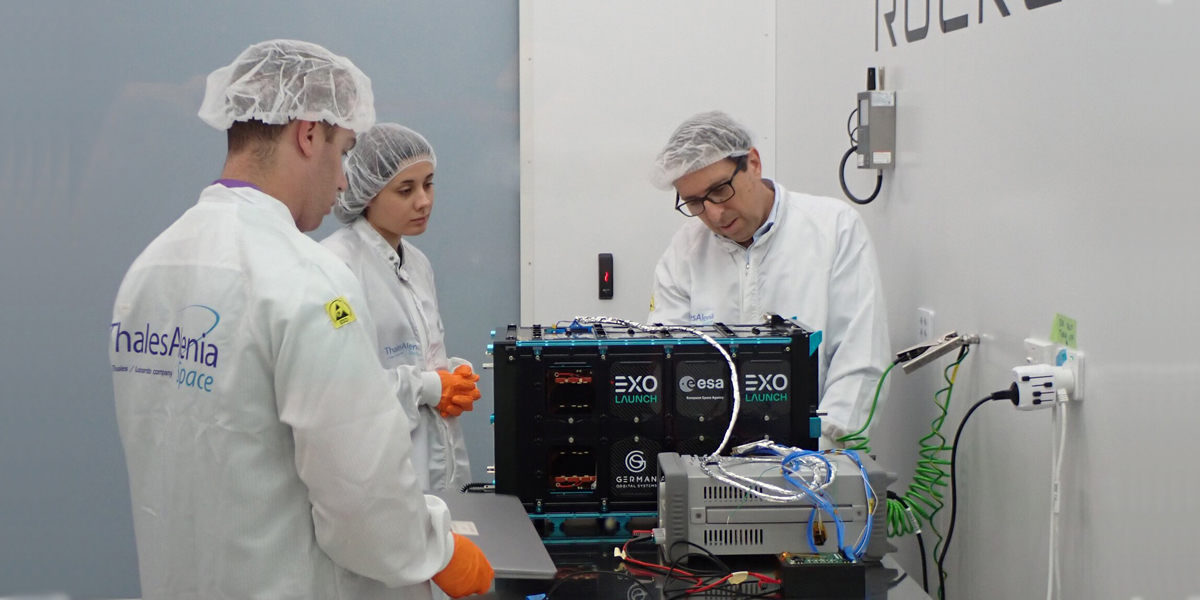
The two consortia involve over 50 entities from more than 14 European countries. Celeste was further expanded at ESA's Council at Ministerial Level of 2025 (CM25), towards the implementation of the next phase: the Celeste In-Orbit Preparatory phase.
Celeste also contributes to one of the three core pillars of ESA's new European Resilience from Space (ERS) initiative, endorsed at CM25. ERS addresses critical security and resilience needs for Member States while laying the groundwork for future European strategic space capabilities.
Story Source: European Space Agency
Subscribe to our newsletter
Stay updated on the latest technology, innovation product arrivals and exciting offers to your inbox.
Newsletter